- Posted by:
- Category: News
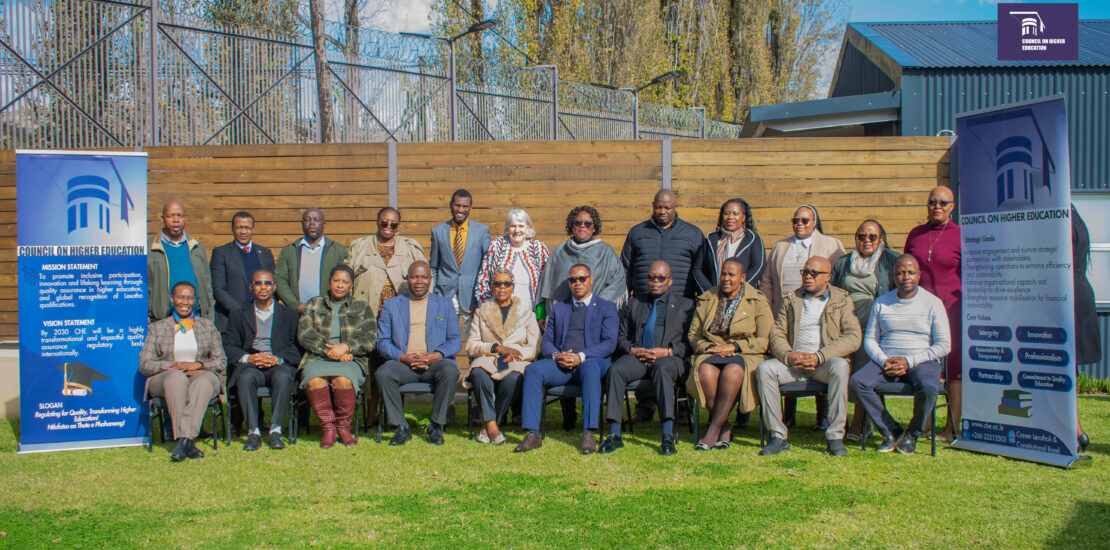
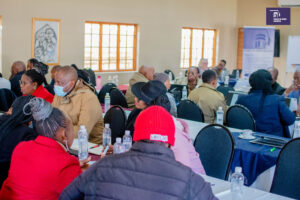
The Council on Higher Education (CHE) convened a one-day stakeholder validation workshop on 9 June 2026 in Maseru, following an earlier consultation workshop held on 26 – 27 March 2026. The initiative forms part of ongoing efforts to reform higher education programmes to ensure their relevance to national priorities and alignment with labour market demands.
Participants included representatives from key academic institutions such as the National University of Lesotho (NUL), Limkokwing University of Creative Technology (LUCT), Botho University (BU), Lesotho College of Education (LCE), Lerotholi Polytechnic (LP), Lesotho Agricultural College (LAC), National Health Training College (NHTC), Roma College of Nursing (RCN), Scott College of Nursing (SCN), Paray School of Nursing (PSN), Maluti Adventist College (MAC), Institute of Development Management (IDM), Centre for Accounting Studies (CAS), Lesotho Institute of Public Administration and Management (LIPAM), Lesotho Boston Health Alliance (LeBoHA) and Student representation.
In addition, professional bodies and regulatory institutions were well represented, including the Lesotho Institute of Accountants (LIA), Law Society of Lesotho, Lesotho Nursing Council, Lesotho Medical, Dental and Pharmaceutical Council, and Lesotho Association of Engineers (LAE).
Government participation included the Ministry of Finance and Development Planning, Ministry of Labour and Employment, Public Service Commission, Teaching Service Department, Local Government Service Commission, and the National Manpower Development Secretariat (NMDS)/Loan Bursary Fund.
The private sector also contributed valuable perspectives, with participants from Letšeng Diamonds and Maluti Mountain Brewery.
The validation process provided an important platform for stakeholders to review and refine proposed reforms, ensuring that they are inclusive, practical, and responsive to the country’s development needs. A key highlight was the strong emphasis on the need for institutions to transform their programme offerings such that obsolete programmes are taken out of the system. It was pointed out that higher education is a critical pillar for the Kingdom’s economic development. Thus, its progrommes have to be relevant to the contemporary and future socio-economic development needs of the country and the world at large, hence the Relevance Indicators. Together, we are building a more responsive, relevant, and future-ready education sector.
CHE remains committed to fostering collaboration across all sectors to drive impactful and transformational change within Lesotho’s higher education landscape.
Heads of Institutions
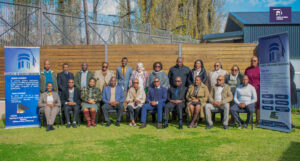
Professional Bodies
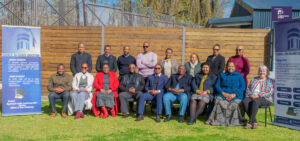
Stakeholders and Students